
The Business Behind the Beverage: Why Coca-Cola Is Taking Over KFC’s Drinks Menu
An unexpected change at one of America’s best-known fast-food chains reveals how beverage partnerships have become a strategic weapon in the competition for customers.
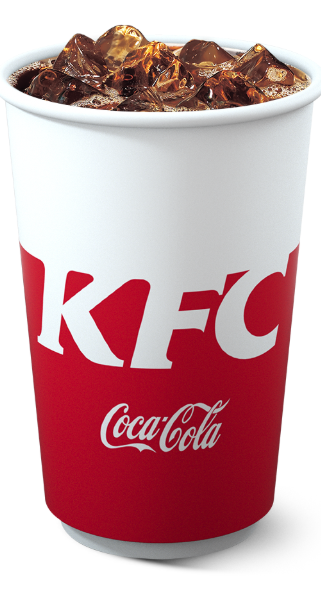
A familiar part of the American fast-food experience is about to change. From early 2027, customers visiting KFC restaurants across the United States will begin seeing Coca-Cola products where Pepsi beverages have dominated for decades.
The transition ends a relationship that dates back approximately 40 years and gives Coca-Cola a significant new foothold in the competitive American restaurant market. The agreement covers roughly 3,700 US locations, with the nationwide rollout expected to be completed by spring 2027. Financial terms have not been disclosed.
At first glance, the change might seem like a routine supplier decision. In reality, it illustrates how the beverage industry competes for more than shelf space. The right restaurant partnership can influence customer habits, strengthen brand visibility and create opportunities to increase sales well beyond the drinks themselves.
For KFC, the decision comes as the chicken chain works to reinvigorate its US business. For Coca-Cola, it represents another opportunity to strengthen its position in food service. For PepsiCo, it is a setback with both commercial and symbolic significance.
A long-standing relationship comes to an end
The connection between PepsiCo and KFC has deep historical roots. PepsiCo acquired KFC in 1986 as part of its expansion into the restaurant business. Although the company later separated its restaurant operations into what became Yum! Brands in 1997, Pepsi continued supplying beverages to the chain.
That arrangement survived for decades, making the latest decision particularly notable.
The new agreement applies to KFC’s US restaurants, not its international operations. PepsiCo has confirmed that its broader relationship with Yum! Brands continues, including beverage arrangements covering Taco Bell and KFC locations outside the United States.
The change therefore represents a targeted shift in one important market rather than a complete breakdown of the companies’ commercial relationship.
For Coca-Cola, however, securing a chain with thousands of locations gives its products access to a large customer base and creates additional visibility at a time when restaurant partnerships remain a valuable source of distribution.
Why the drinks menu matters to a chicken restaurant
Beverages are an important part of the economics of fast food. They can complement meals, encourage customers to choose particular combinations and provide restaurants with opportunities to develop new offerings.
For KFC, the decision to change suppliers is taking place alongside a wider effort to refresh its American business, improve the customer experience and make its menu more relevant to changing preferences.
The company has been experimenting with a broader selection of drinks, including lemonades, refreshers and other specialty beverages. Such products can help restaurants appeal to customers who want more than a conventional soft drink with their meal.
A major beverage partner can support that ambition by supplying products, equipment, marketing expertise and operational assistance across thousands of locations.
Coca-Cola brings an extensive portfolio that extends beyond its flagship cola. Depending on the products offered at individual restaurants, the partnership could give KFC more flexibility to develop drink combinations and promotional campaigns designed around different customer preferences.
The commercial logic is straightforward: a more attractive drinks menu can give customers another reason to visit, while helping the restaurant make better use of each transaction.
Whether the new arrangement produces a measurable improvement in KFC’s sales remains to be seen.
Coca-Cola’s advantage extends beyond its flagship drink
Coca-Cola has built a formidable position in the American food-service market, supplying beverages to major restaurant chains and maintaining a presence in venues where customers regularly purchase meals and refreshments.
Its relationship with McDonald’s is among the most recognisable examples of this strategy. Partnerships with restaurant operators give the company access to customers at the moment they are deciding what to eat and drink, rather than relying exclusively on purchases made in supermarkets and convenience stores.
The KFC agreement strengthens that distribution network.
It also gives Coca-Cola an opportunity to demonstrate that it can help restaurant partners develop their businesses, rather than simply deliver syrup and maintain beverage equipment.
The distinction matters because major chains increasingly expect suppliers to contribute to menu innovation, marketing and operational efficiency. A beverage company that can demonstrate how its products support customer demand may be better positioned to win contracts when existing agreements expire.
In a competitive market, the supplier’s value is measured not only by the popularity of its drinks but also by the commercial opportunities it can create for the restaurant.
A difficult moment for PepsiCo
The loss of KFC’s US beverage business comes as PepsiCo works to strengthen its performance in North America.
The company faces pressure from changing consumer preferences, higher costs and the challenge of maintaining momentum across both its drinks and snacks businesses. Losing a prominent restaurant partner adds another concern, particularly because the relationship had endured long after PepsiCo ceased to own KFC.
However, the setback should be kept in perspective. PepsiCo retains substantial beverage operations, a large portfolio of food brands and important restaurant partnerships.
Its drinks continue to be served at other major chains, and the company remains a significant competitor in the food-service market. It also continues to supply KFC in international markets under its existing arrangements.
The immediate financial impact of the lost contract is difficult to quantify because neither company has disclosed the deal’s financial terms.
The broader implication may be more important: established commercial relationships are not guaranteed to last, even when they have decades of history behind them.
What happens to KFC’s exclusive drinks?
One question for customers concerns Mountain Dew Sweet Lightning, a peach-and-honey-flavoured drink developed specifically for KFC and sold as part of PepsiCo’s beverage portfolio.
The product has developed a following among some customers who associate it with the restaurant. A change in supplier raises uncertainty about its future availability at KFC locations, although the details of any final arrangements have not been fully established.
This highlights a challenge that extends beyond replacing equipment or changing the logos on drinks dispensers. Exclusive products can become part of a restaurant’s identity, creating customer loyalty that is not easily transferred to another beverage.
KFC will need to ensure that its new offering gives customers compelling alternatives rather than simply removing familiar choices.
For Coca-Cola, the transition creates an opportunity to introduce its own portfolio and develop products that fit the chain’s menu. For PepsiCo, it may encourage further efforts to build distinctive offerings with other restaurant partners.
The operational challenge of changing suppliers
Moving thousands of restaurants from one beverage provider to another is a substantial logistical exercise.
KFC locations must transition from Pepsi-owned fountain equipment to Coca-Cola systems, with associated changes to dispensing equipment, service arrangements and supplies.
The rollout is scheduled to begin in January 2027 and continue through the spring. Franchisees will also need clarity on commercial terms, equipment installation, syrup pricing and any incentives attached to the new arrangement.
These details matter because even a promising agreement must work at the restaurant level. Equipment changes cannot disrupt service, staff need to understand the new systems, and franchise operators must be confident that the arrangement makes financial sense.
The transition will therefore test not only the appeal of Coca-Cola’s products but also the company’s ability to execute a large-scale operational change.
For customers, success may be measured simply by whether their preferred drinks are available and whether the experience remains convenient. For KFC and its franchisees, the stakes include cost control, customer satisfaction and sales performance.
A wider lesson for the restaurant industry
The KFC decision illustrates how supplier relationships can influence the direction of a major consumer brand.
Restaurants increasingly compete through combinations of food, beverages, pricing, convenience and new menu experiences. Suppliers, meanwhile, are looking for ways to become more valuable partners by providing innovation and support in addition to products.
That dynamic creates opportunities for companies willing to demonstrate how their offerings can help restaurants attract customers and improve performance.
It also means that long-standing arrangements face greater scrutiny. History and brand familiarity remain important, but they may not be enough when a restaurant believes a different partner can better support its commercial priorities.
The shift could encourage further competition among beverage companies as they seek to secure or defend major restaurant accounts.
More than a change of cola
Coca-Cola’s arrival at KFC’s American restaurants is a reminder that some of the most consequential business decisions occur far from the spotlight.
There is no major acquisition involved, and the products being exchanged are familiar to consumers. Yet the agreement reshapes a relationship that has lasted for generations and gives both beverage giants a new challenge.
KFC must demonstrate that its revised drinks strategy contributes to a stronger restaurant business. Coca-Cola must turn the contract into a successful partnership across thousands of locations. PepsiCo, meanwhile, must protect its remaining restaurant relationships and find new opportunities to expand its reach.
The transition will not transform the beverage industry overnight. But it shows how competition is increasingly decided through the everyday choices consumers make when they sit down for a meal.
In the end, the prize is not simply the right to fill a cup. It is the opportunity to become an indispensable part of the customer’s experience.